

Criteria
System Weight
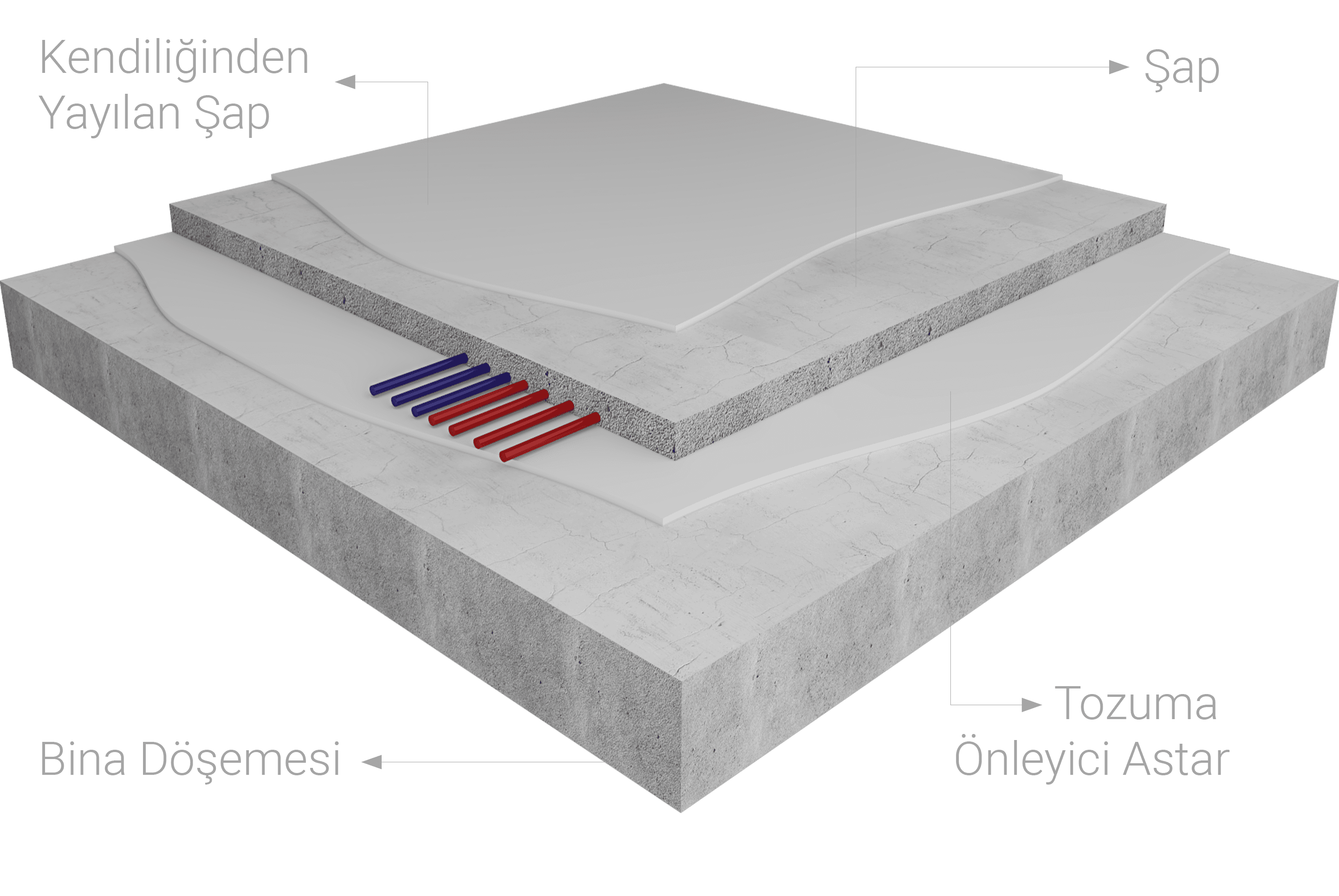
Traditional Screed System
Due to Concrete Additives, it imposes a weight of 80-160 kg/m² on the Load Bearing System. This is 2-3 times heavier than the Raised Floor System.

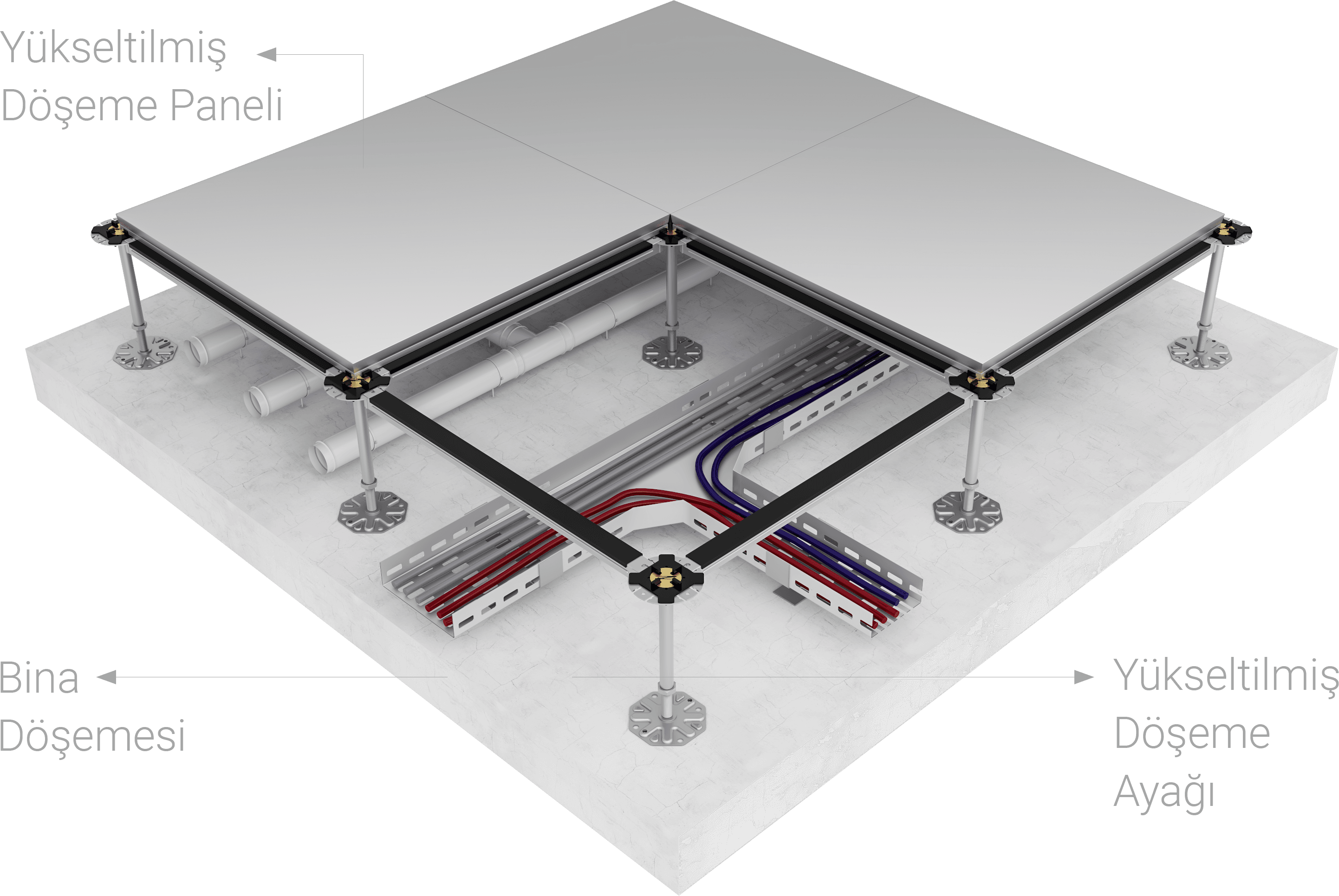
Raised Floor System
With a System Weight of 25-50 kg/m², it imposes 50% less load on the Main Load Bearing Systems.

Manufacturing Time
Traditional Screed System
The complexity of manufacturing and the setting time of concrete extends the manufacturing duration. Planning and implementation stages requiring organization with other trades are complex. Multi-layered manufacturing, concrete work, setting wait time, waiting times for other trades, adverse weather conditions, retroactive correction times, and cleaning time result in an inefficient labor rate of 3 m²/hour.

Raised Floor System
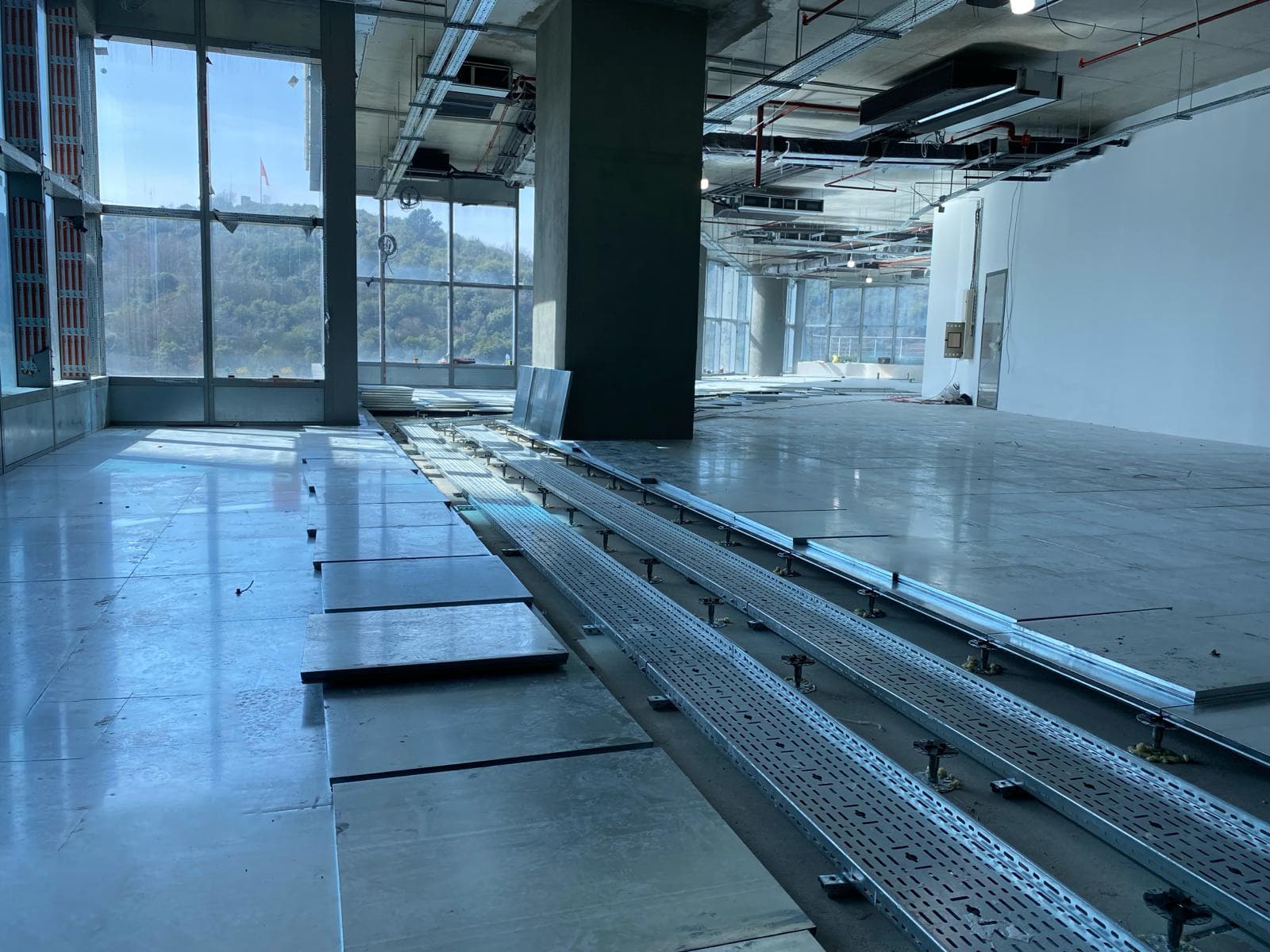
The manufacturing time consists of foot-panel assembly. It offers many advantages by allowing other trades to be performed independently at a rate of 10 m²/hour.

Labor
Traditional Screed System
The manufacturing method is traditional concrete work. It requires intensive on-site labor and waiting times.
Raised Floor System
The raised floor system is modular and produced under factory quality control. It is transported to the construction site according to project needs. It requires minimal labor, and specialized, trained teams complete the installation in one go. Revisions are easy and incur no additional costs or labor.

Manufacturing Planning and Coordination
Traditional Screed System
Concrete manufacturing requires organization, setting time, and planning with other trades.

Raised Floor System
Assembly is done in a single stage and independent of the manufacturing sequence, providing flexible planning.

Solid Waste and Cleaning
Traditional Screed System
Serious residual material problems occur after concrete manufacturing. Separate revisions create additional debris problems.

Raised Floor System
At the end of manufacturing, there will be recyclable cardboard packaging and reusable wooden pallets.

Unforeseen Manufacturing Revisions
Traditional Screed System
No return is possible after manufacturing. After the concrete sets, revisions require demolition. Project changes during the construction phase create additional time and costs. Other trades are damaged and need to be redone.

Raised Floor System
The modular panel and support system can be easily disassembled for necessary changes during project revisions.

Quality Control
Traditional Screed System
Site conditions and concrete manufacturing make quality control difficult.

Raised Floor System
The panel and support feet prepared in the factory are sent to the site after quality control. On-site, only installation quality control is performed by specialized teams.

Manufacturing Cost
Traditional Screed System
During construction, intensive labor, revisions, site cleaning tasks, and long manufacturing durations result in high costs.

Raised Floor System
Predictable material and assembly costs, with a manufacturing phase that does not affect construction time, are cheaper than traditional screed manufacturing.

User Evaluation
Physical Comfort
Traditional Screed System
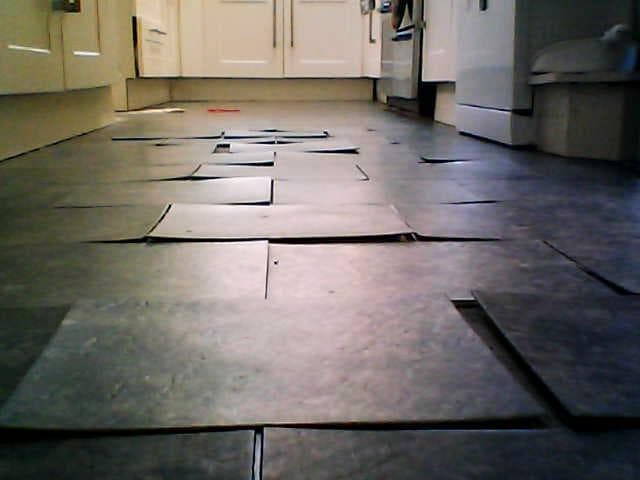
Hard floors cause foot, knee, hip, and back pain. These pains create fatigue and a feeling of restlessness. This situation can lead to physical and mental problems.

Raised Floor System
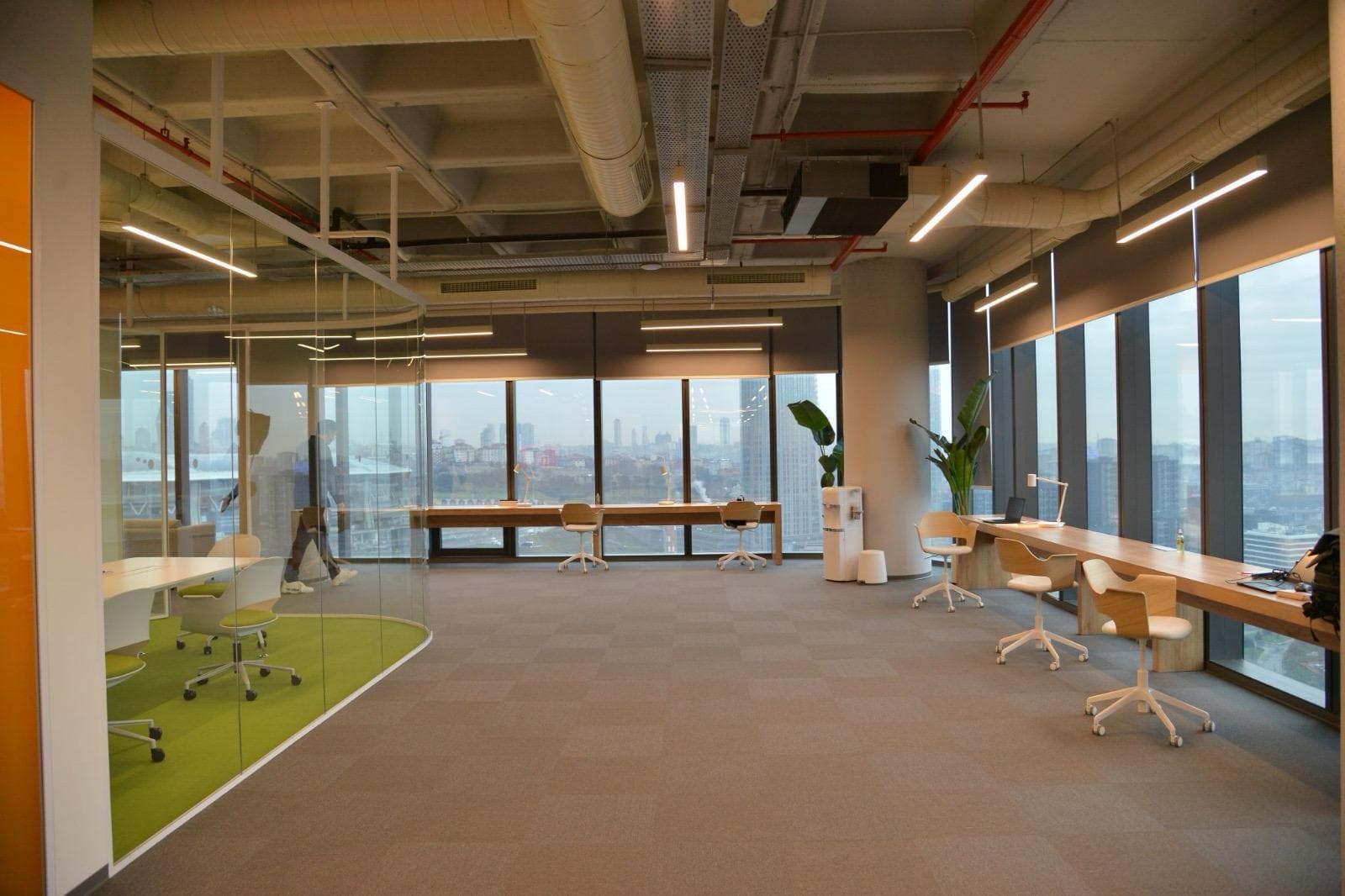
The raised floor system provides walking comfort. It ensures floor comfort suitable for long working hours and standing working conditions.

Repairs & Renovation
Traditional Screed System
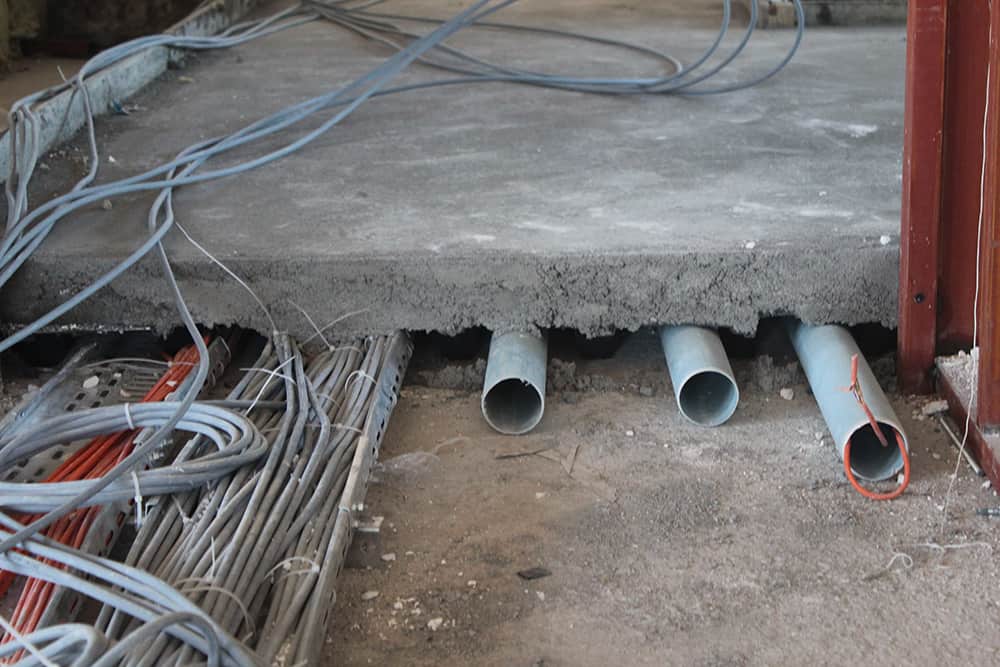
Modern office and residential buildings will create demolition and debris problems for user change requests. Access to cable and ventilation installations will be difficult.

Raised Floor System
Being modular and demountable provides a significant advantage in repair and new decoration situations. Electrical/data cables and plumbing pipes solved under the raised floor are easily accessible.

Acoustic Comfort and Insulation
Traditional Screed System
Hard floors have low acoustic values.

Raised Floor System
The space between the covering material and the concrete floor - raised floor provides sound insulation.

Aesthetic and Visual Pollution
Traditional Screed System
Cable clutter and visible wiring will ruin office aesthetics. These emerge as problems to be solved during the design and planning phase.

Raised Floor System
Electrical/data cables, plumbing pipes, and ventilation systems solved under the raised floor prevent visual pollution. It facilitates the design and planning phase.

Environmental Effects and Ecological Evaluation
Recycling Opportunity
Traditional Screed System
Once hardened, screed products cannot be recycled.

Raised Floor System
Raised floor panels and supports are made from recyclable materials. Primary materials like metal pipes, particle board, and calcium sulfate can be reused.

Carbon Footprint
Traditional Screed System
Concrete products have a high carbon footprint and significant environmental impacts from production to application.

Raised Floor System
Raised floor supports and panels have a low carbon footprint.

Ecological Material
Traditional Screed System
Materials used in screed products have a high carbon footprint. Raw materials used in production are obtained by damaging nature and produced with significant carbon emissions.

Raised Floor System
Particle board and calcium sulfate materials used in raised floor panels are recyclable ecological materials.


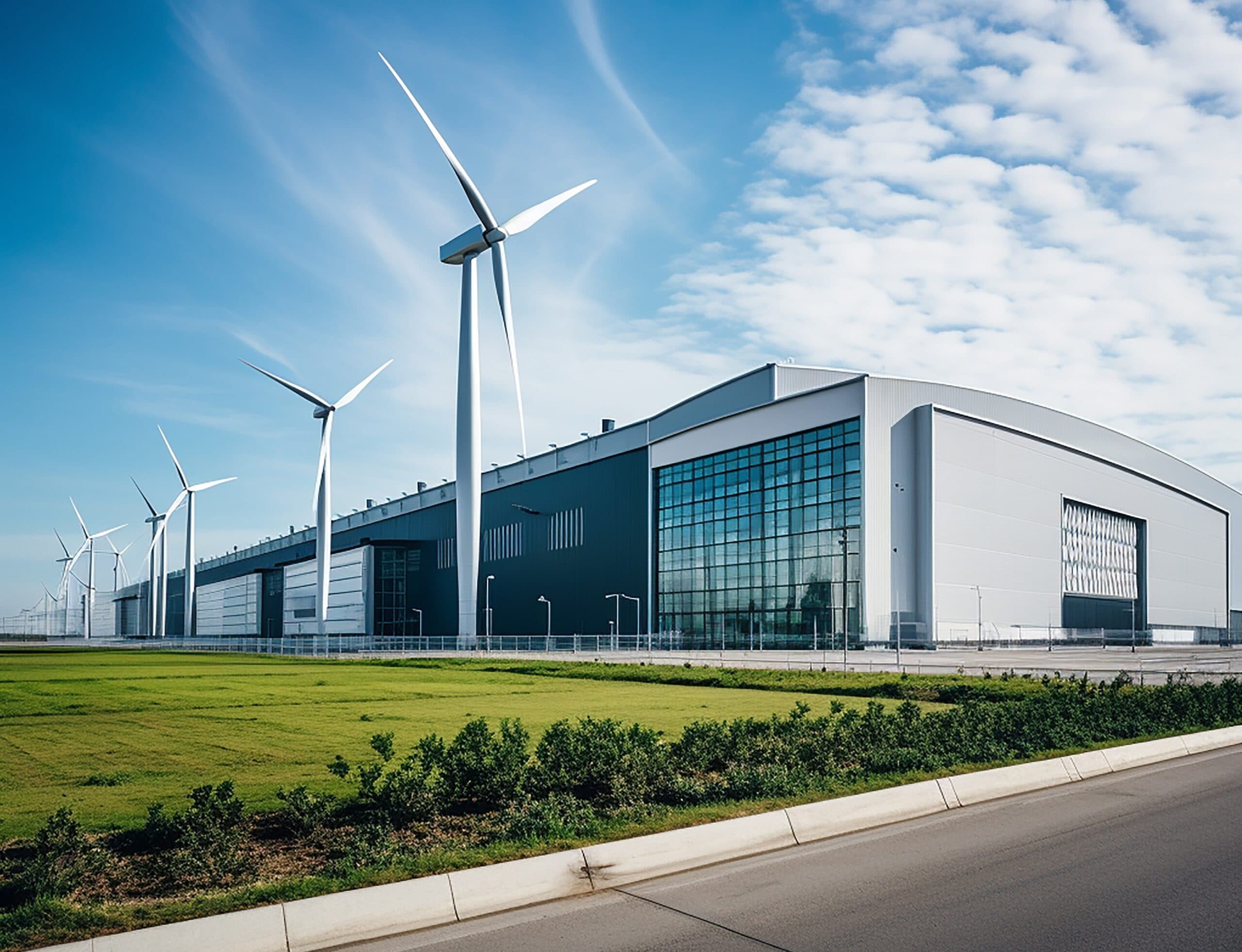

At Dorafloor®, we are proud to be Turkey's leading raised flooring manufacturer, offering modern and innovative solutions.
Dorafloor® is a Doraplus Yapı Sanayi A.Ş. brand.